
To repair an inverter, first, identify the problem by checking for loose connections or blown fuses. Then, replace any faulty components or call a professional for assistance.
Inverters are essential devices that convert direct current (DC) power into alternating current (AC) power, allowing us to use various electronic devices. However, like any other electronic device, inverters can encounter issues over time. Whether due to loose connections, blown fuses, or faulty components, these problems can disrupt the inverter's performance.
To ensure uninterrupted power supply, it is crucial to address these issues promptly. We will provide a comprehensive guide on how to repair an inverter, enabling you to troubleshoot and resolve common problems effectively. By following these steps, you can restore your inverter's functionality and enjoy smooth, uninterrupted power supply.
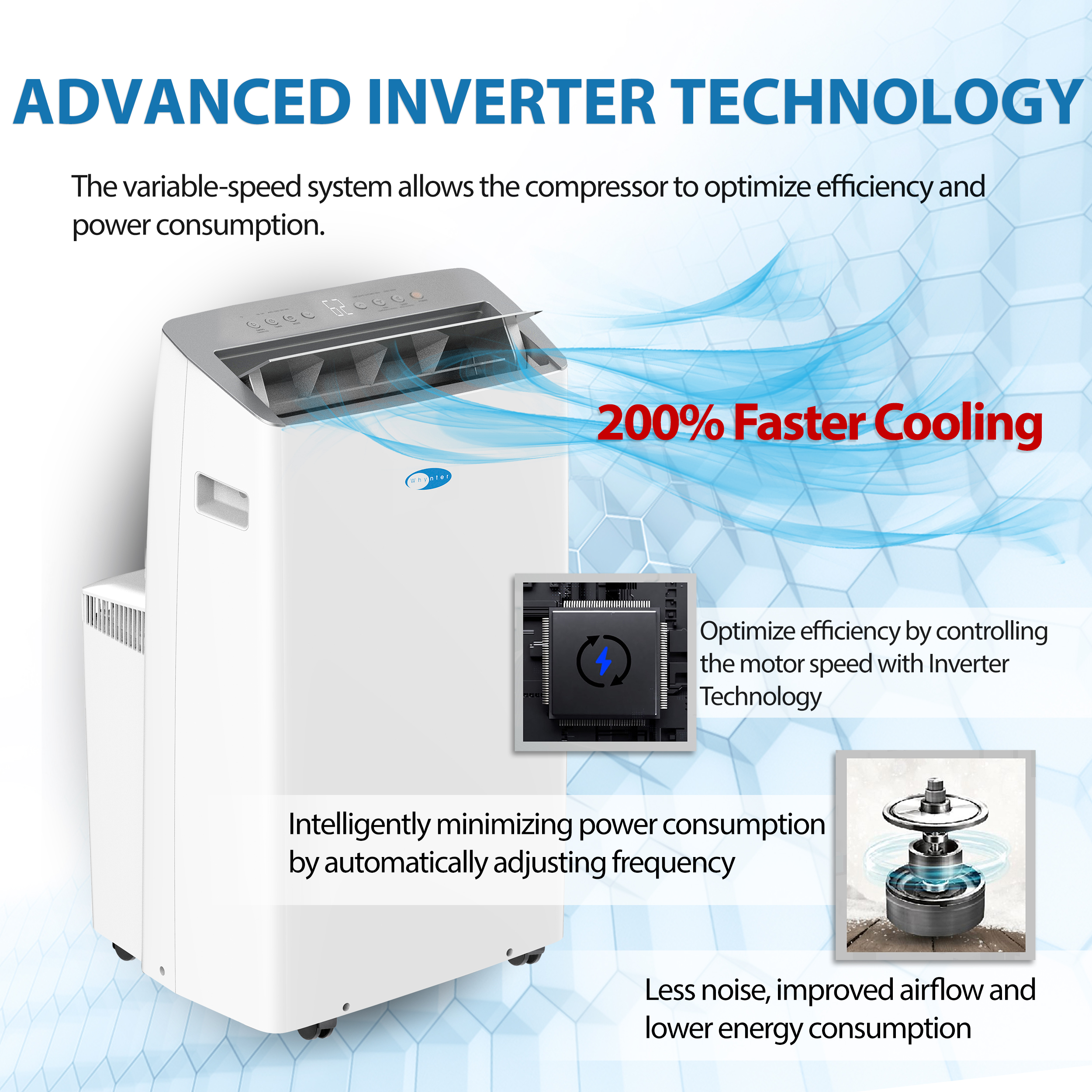
Credit: www.whynter.com
How To Repair Inverter
Repairing an inverter can be done by following a few simple steps. Start by checking the inverter's connections, fuses, and wiring for any issues. Then, troubleshoot the inverter by testing its components and replacing any faulty parts. Finally, reset the inverter and test it to ensure it's working properly.
Inverters are valuable devices that convert direct current (DC) to alternating current (AC), making them essential for powering various electronic devices during power outages or in off-grid situations. However, like any other electrical equipment, inverters can experience issues or fail over time.
If you find yourself facing an inverter problem, worry not! This guide will walk you through the process of repairing your inverter and getting it back up and running.
Diagnosing The Problem:
To begin repairing your inverter, it is crucial to identify the underlying issue. Here are some common problems you may encounter with inverters:
- Inverter not turning on: Check the power source and ensure that cables are properly connected.
- Frequent shutdowns: Examine the cooling system and clean out any dust or debris that may be obstructing the vents.
- Overheating: Inspect the internal temperature and verify that the cooling fans are functioning correctly.
- Display malfunction: Check the display panel connections and consider replacing the display if necessary.
- Voltage fluctuations: Test the batteries to ensure they are adequately charged and functioning correctly.
Tools For Repair:
To repair your inverter, you will need a few tools:
- Screwdriver set: Required for opening the inverter casing and accessing its internal components.
- Multimeter: Allows you to measure voltage levels, perform continuity tests, and identify faulty components.
- Soldering iron: Necessary for soldering and reattaching any loose connections or broken wires.
Repairing Process:
Now that you have identified the problem and gathered the necessary tools, let's dive into repairing your inverter:
- Safety first: Ensure that the inverter is unplugged from the power source and any batteries are disconnected before proceeding.
- Open the casing: Using the appropriate screwdriver, carefully remove the screws securing the inverter's casing. Gently pry open the casing to expose its internal components.
- Inspection: Inspect the internal components for any visible damage, loose connections, or burned-out elements. Pay particular attention to capacitors, fuses, and circuit boards.
- Testing components: Use the multimeter to test the various components, such as capacitors and fuses, for continuity and proper functioning. Replace any faulty components as needed.
- Repairs: If you discover any loose connections or broken wires, use the soldering iron to reattach them securely. Be sure to follow proper soldering techniques to avoid damaging the components.
- Cleaning: Remove any accumulated dust or debris from the internal components using compressed air or a soft brush. This step helps improve the inverter's overall performance and prevents overheating issues.
- Reassembly: Once the necessary repairs and cleaning have been completed, reassemble the inverter by securing the casing with the screws.
- Testing: Connect the inverter to a power source and perform a test run to ensure that the repairs were successful. Monitor the inverter's performance and check for any further issues.
Seeking Professional Help:
While you can repair certain inverter problems on your own, it is essential to know your limitations. If you encounter complex issues or lack the necessary technical skills, it is advisable to seek assistance from a qualified professional. Attempting to repair intricate electrical problems without expertise can lead to further damage or personal injury.
Remember, a well-maintained and properly repaired inverter will provide reliable power during crucial times. By following these steps and exercising caution throughout the repair process, you can restore your inverter to its optimal functionality.

Credit: www.amazon.com
Frequently Asked Questions Of How To Repair Inverter
Can A Inverter Be Repaired?
Yes, an inverter can be repaired. Professional technicians can repair and restore malfunctioning inverters, saving you the cost of buying a new one. They diagnose the issue and fix the problem to restore the inverter's functionality.
How Can I Fix My Inverter At Home?
To fix your inverter at home, follow these steps: 1. First, check if the power supply is working properly. 2. Make sure all connections are secure and intact. 3. Check the fuse box and replace any blown fuses. 4. If the problem persists, consult the user manual or contact a professional for assistance.
5. Regularly maintain and clean your inverter to prevent future issues.
What Are The Common Inverter Problems?
Common inverter problems include overheating, low battery voltage, faulty connections, and overload. These issues can lead to the inverter not functioning properly or shutting down.
How Do You Service An Inverter?
To service an inverter: 1. Turn off power supply and unplug all connected devices. 2. Inspect and clean the inverter for any dust or debris. 3. Check and tighten any loose connections. 4. Test the battery and replace if necessary. 5.
Finally, plug everything back in and turn on the power supply to ensure the inverter is working properly.
Conclusion
Repairing an inverter doesn't have to be a daunting task. By following the steps outlined in this guide, you can easily troubleshoot and resolve most common issues with your inverter. Remember to always prioritize safety and consult a professional if you're unsure about any aspect of the repair process.
With a little patience and some basic knowledge, you'll be able to get your inverter up and running again in no time.


